Our Global Curriculum
At Foxfield Primary School, we teach pupils a global curriculum based on knowledge and skills that are relevant for the 21st century. These skills are critically important for future success. We believe that global learning helps pupils make sense of the increasingly complex and rapidly changing world in which they live. Our curriculum enables pupils to think critically about world issues and to develop an awareness of the impact our own actions can have on others. We provide pupils with a knowledge-rich curriculum that recognises substantive and disciplinary knowledge are intrinsically linked and interdependent. Our carefully chosen content places core knowledge at the heart of each curriculum subject. The knowledge is cumulative and constructs firm foundations from EYFS which children can build conceptual understanding over time.
Click here to view a wide range of resources linked to our Global Curriculum, and a sample of our planning documentation.
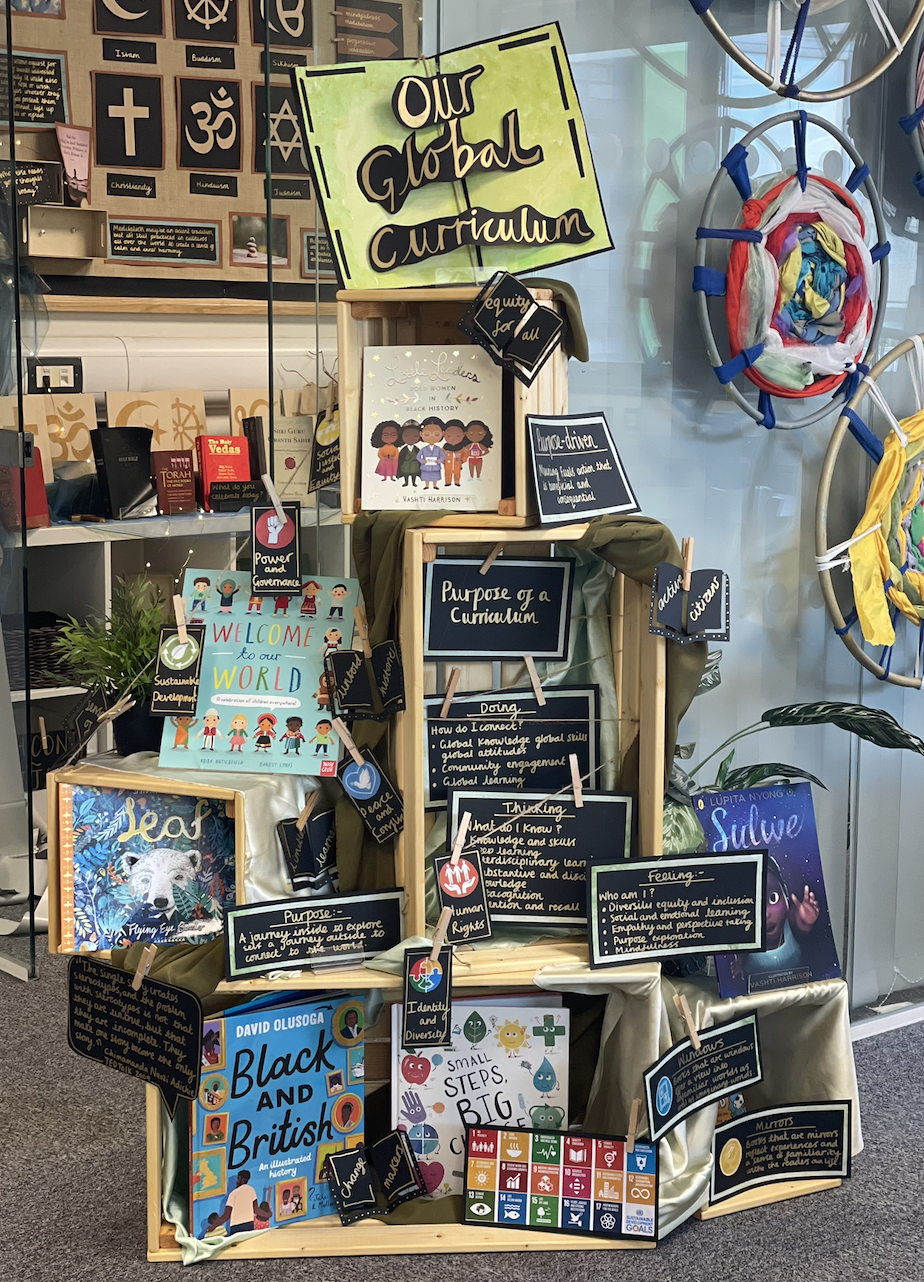
At a time of escalating ecological and geo-political crises, education must do more than transfer knowledge; it must build resilience. Aligned with the OECD Trends Shaping Education (2025), our Trust champions a curriculum of global fluency. We value the diversity of thought in our classrooms as a tool for collective problem-solving, preparing learners to navigate a world where ethical decision-making, and critical evaluation of knowledge and digital content are the primary drivers of success. (OECD Trends Shaping Education 2025).
International benchmarks based on narrow skills are becoming obsolete. We champion learning that values collaboration and critical thinking. By cultivating ethical, geopolitical, and technological literacy, we ensure our children are not just participants in the future, but the architects of it. (World Economic Forum, Future of Jobs Report 2025).
At the Inspire Partnership, we recognise that we are navigating a unique configuration of global challenges. This reality makes it essential that we are not merely reacting to the world, but proactively changing it through learning. Modern employers and global researchers, including recent findings from PwC and the BERA (2024) Curriculum in a Changing World report, increasingly emphasise that academic success alone is insufficient. In a world shaped by AI and rapid automation, the focus has shifted toward ‘human-centric’ fluencies: collaborative intelligence, adaptive resilience, and a creative mindset. We must move beyond the narrow cognitive domain to cultivate the ‘transformative competencies’ that allow our pupils to thrive in complex, interconnected systems.
The Inspire Partnership curriculum is underpinned by education for global citizenship. We believe that learners are entitled to an education that equips them with the knowledge, skills and values they need to embrace the opportunities and challenges they encounter, creating a future that they want to live in. Learning is brought to life through current contexts that connect to our children’s lives - who they are, how they fit into the world and how they contribute back.
We believe that for a curriculum to be truly transformative, it must possess both deep meaning and decisive action. Knowledge without purpose remains static; action without understanding remains superficial. At the Inspire Partnership, we design learning experiences where the meaning fuels the action.
There are six global learning themes that underpin our curriculum, and each theme is broken down into knowledge and understanding, skills and attitudes:
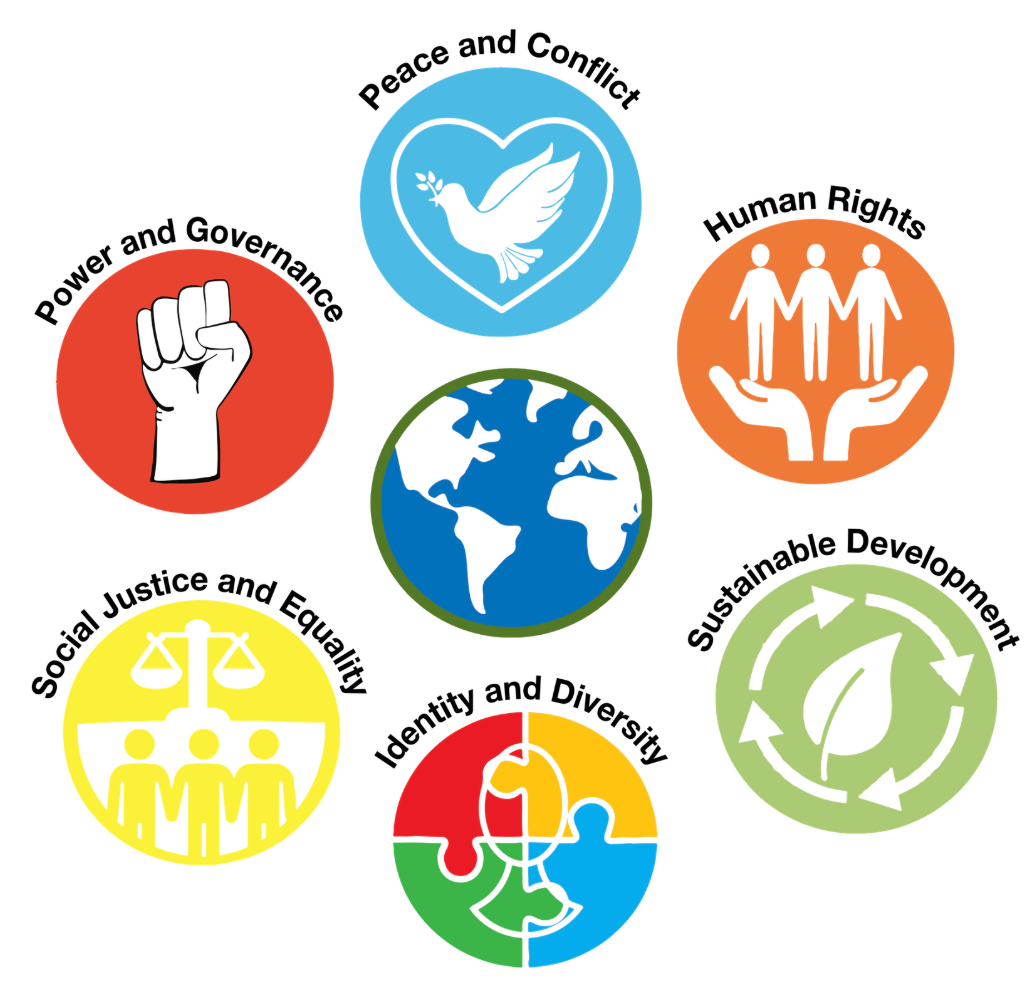
Our curriculum connects to real life, promotes thinking as a global citizen and develops character skills for young people to make meaningful contributions to society. Even very young children are trying to make sense of a world marked by division, conflict, environmental change and extreme inequality and poverty. Our curriculum is designed to enable children to make deep connections between learning and understanding the world that they live in, leading to children connecting taught knowledge and skills with agency and purpose.
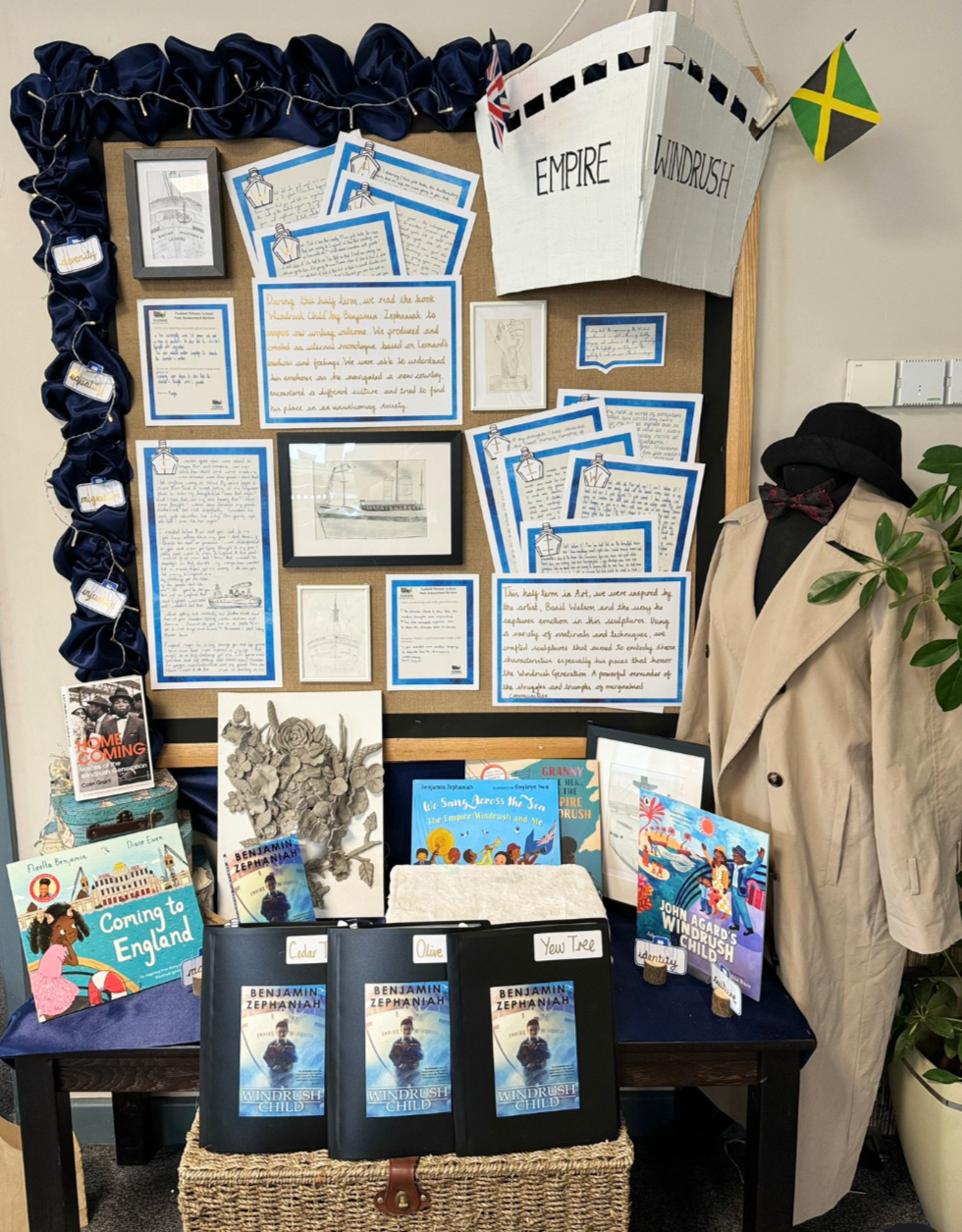
Each term, children delve deeply into one of the global themes above, using it as the golden thread that is woven through subject areas. Rather than being taught in isolation, the global theme acts as a lens through which the children view history, science, English, and art, creating a cohesive and connected learning experience.
This immersion into the global theme allows for a level of depth where knowledge transforms into deep understanding and critical thinking. At the end of the term, the learning is translated into purposeful action. Children work on a change maker project, applying their learning to real-world challenges within their own community. Whether through advocacy, social enterprise, or community service, these projects ensure that our pupils actively participate in making their community a better place.
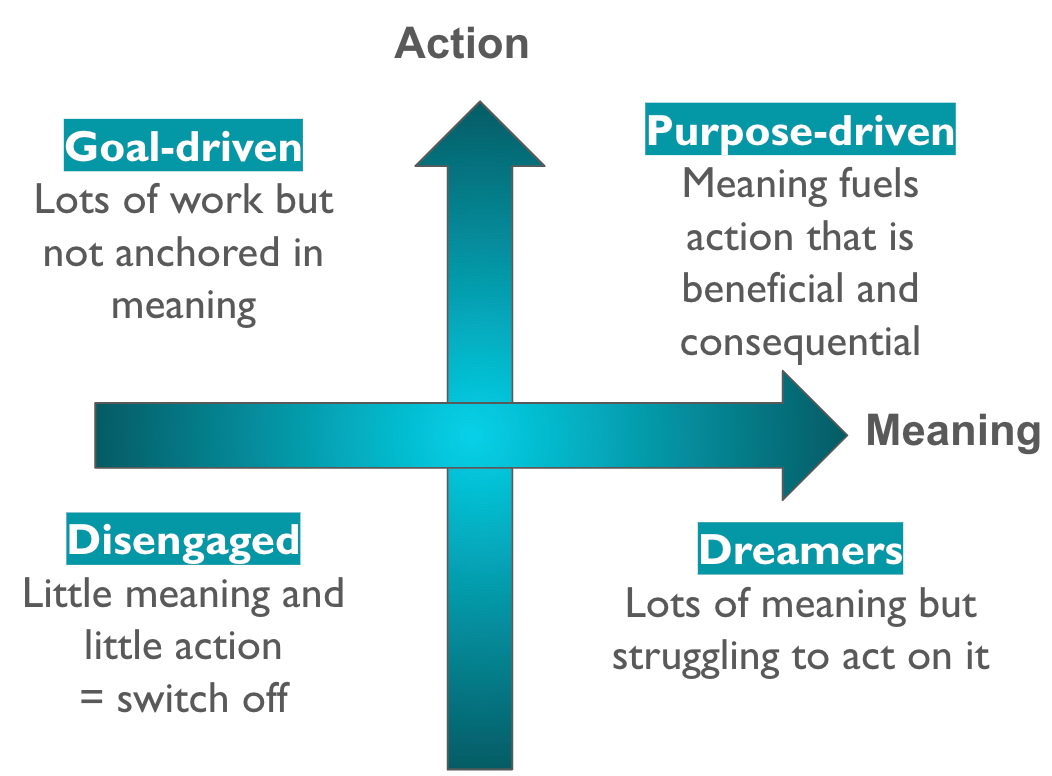
By grounding our curriculum in real-world ethics and global enquiry, we ignite a sense of moral purpose in our students. This deep understanding serves as the fuel for social agency, empowering our children to become change makers within their own communities. We don't just teach them about the world; we provide the platform for them to be active, visible members of society today. When our children see that their learning has the power to solve problems and uplift others, they transition from passive recipients of information to the architects of a better world.
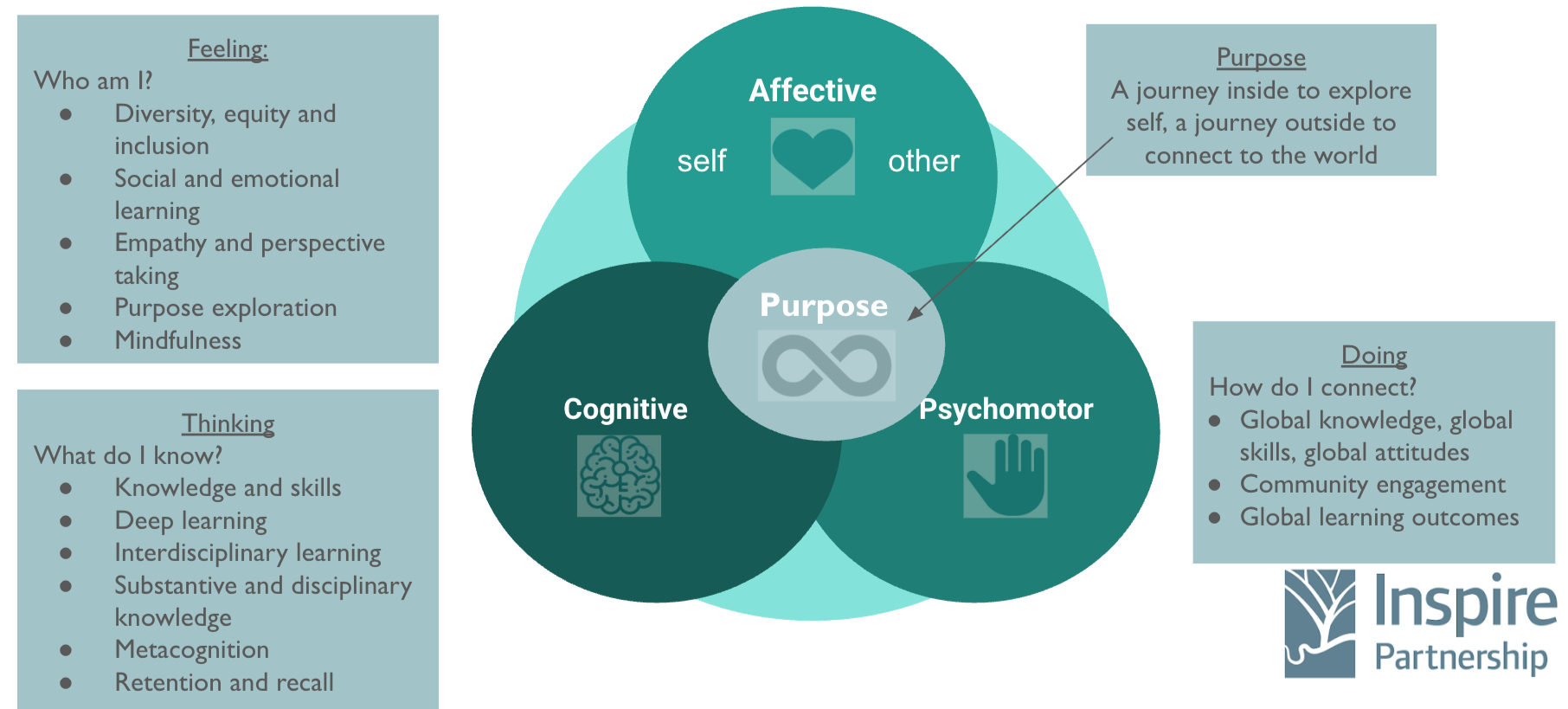
When designing sequences of learning across the curriculum, we use a teaching backwards approach. At the heart of teaching backwards is a thinking process that enables our teachers to plan and teach from a clear and well-defined destination. We believe that teaching backwards is a journey that starts with the end very clearly in mind. With this knowledge, our staff design learning that focusses on small steps of progression. By slowing learning down, we ensure that our focus remains on depth. Our sequences of learning are supported at all times by high expectations. This deliberate approach to scaffolding ensures that every child, regardless of their starting point, has the time and support necessary to master challenging content and achieve excellence.
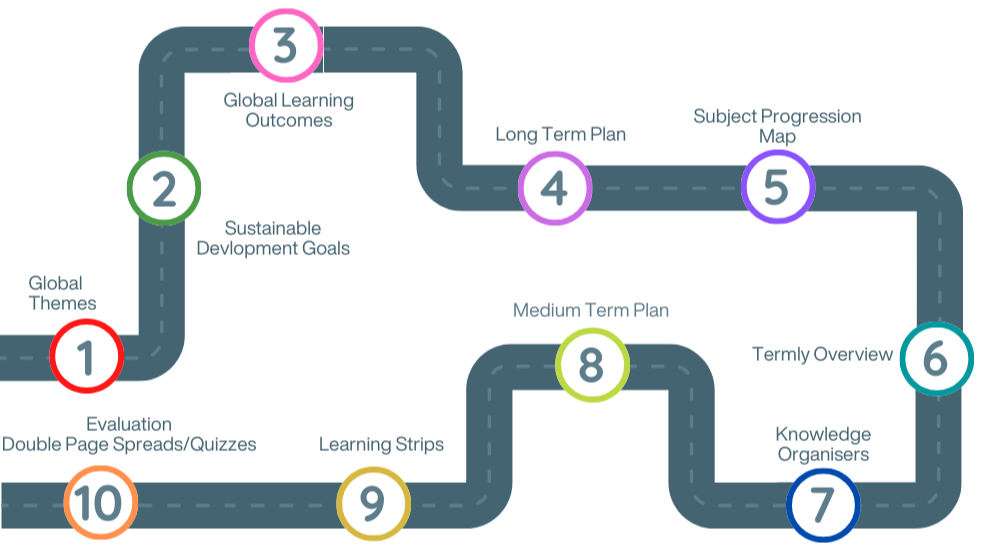
Our curriculum is underpinned by a robust, practitioner-led framework: a suite of high-quality documentation authored by our teachers and subject leaders. From strategic long-term plans and termly overviews to precise medium-term plans and knowledge organisers, this architecture maps the essential knowledge and skills of the learning journeys. By codifying this content at a Trust-wide level, we remove the burden of content design from the daily classroom routine. This allows our teachers to focus on what matters most: nurturing deep relationships with their children and crafting bespoke learning experiences that are responsive, adaptive, and expertly delivered.
In his book ‘The Talent Code’, Daniel Coyle argues that deliberate practice, alongside struggle, promotes the growth of myelin in our brains. Struggle and practice are both key components of our teaching sequences. Well-structured modelling, highly effective questioning and carefully designed learning tasks enable children to both struggle and practice. Multiple opportunities to fail and learn from these mistakes are also central to our practice and encourage a growth mindset.
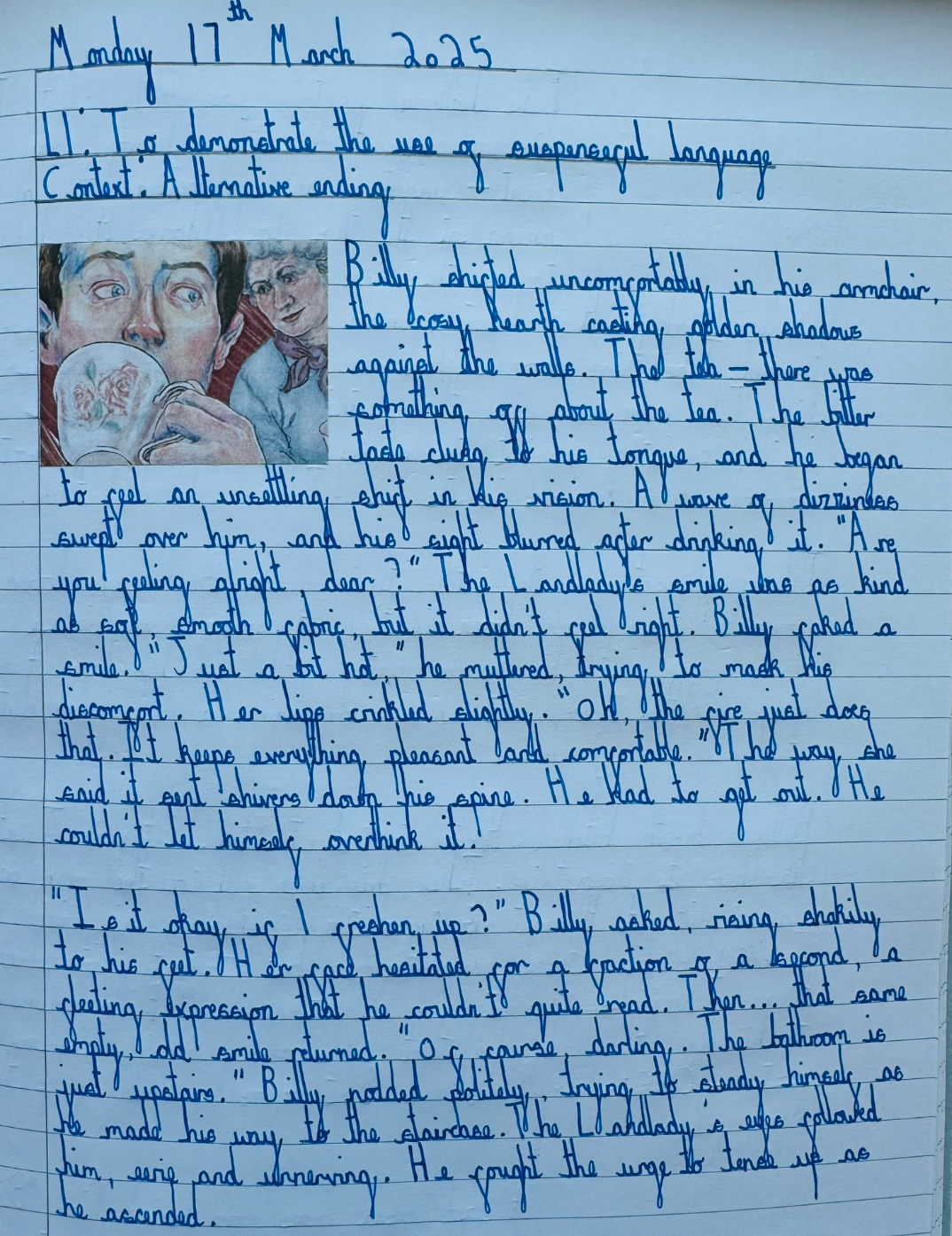
Our curriculum is also underpinned by a responsive feedback model that treats assessment as a continuous dialogue rather than a final destination. We believe that in-the-moment feedback is the most powerful catalyst for progress; it provides children with immediate, individualised insights that address misconceptions and accelerate learning as it happens. By intervening at the point of impact, our teachers ensure that every child receives the specific guidance needed to move their learning forward.
To deepen this process, we integrate provocative prompts throughout our learning sequences. These are not merely questions, but intellectual hooks designed to challenge assumptions and trigger cognitive conflict. These provocations demand that children move beyond surface-level answers, encouraging them to reflect critically on the meaning and purpose of their work. This combination of live feedback and deep provocation develops a high-challenge, low-threat environment where children take ownership of their progress, developing the self-regulation skills essential for lifelong learning.
Learning is inherently a social experience. Therefore, our teaching sequences promote richly dialogic contexts that support co-construction and collaboration. Discussion, debate and communication are all valuable currency in an increasingly complex world, and so we plan opportunities for children to express their opinion. Children are able to consider different perspectives on global issues, and we explore the potential of being able to change one’s point of view.
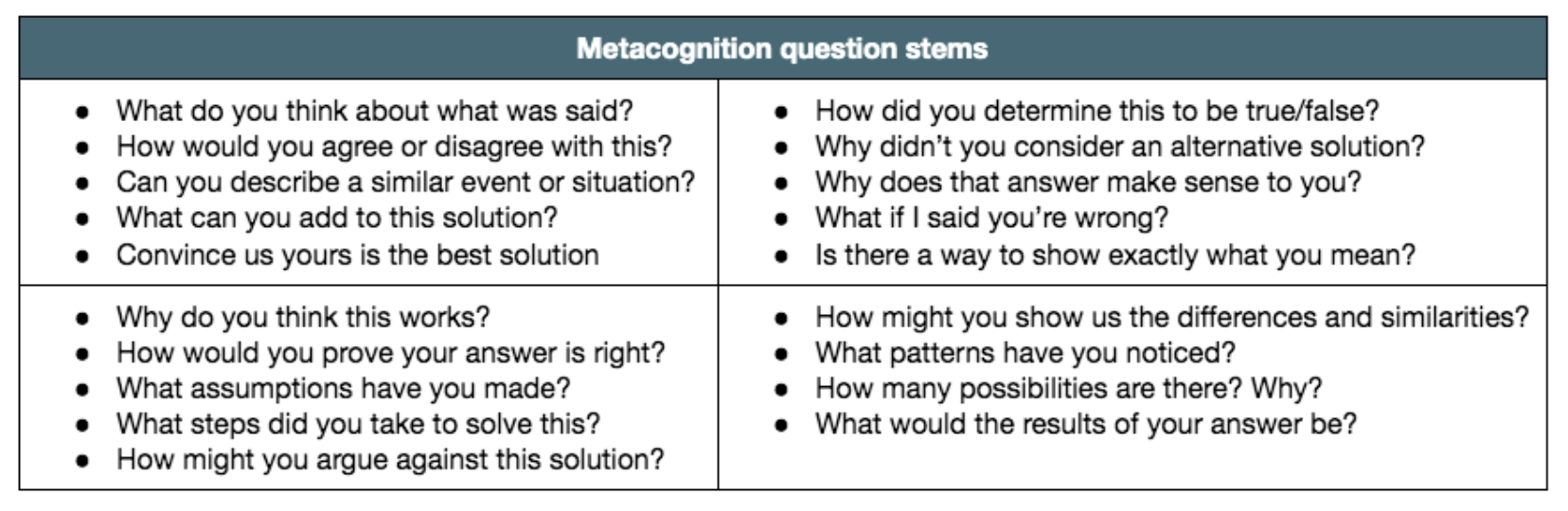
Metacognition plays a pivotal role within our sequences through explaining and reasoning, thinking about evidence, evaluating and making judgements or decisions. Through deeper thinking and reflection, children are able to make links between topics so they are learning to think systematically. Teaching children how to reflect, explain, justify, and question is key to lesson design.
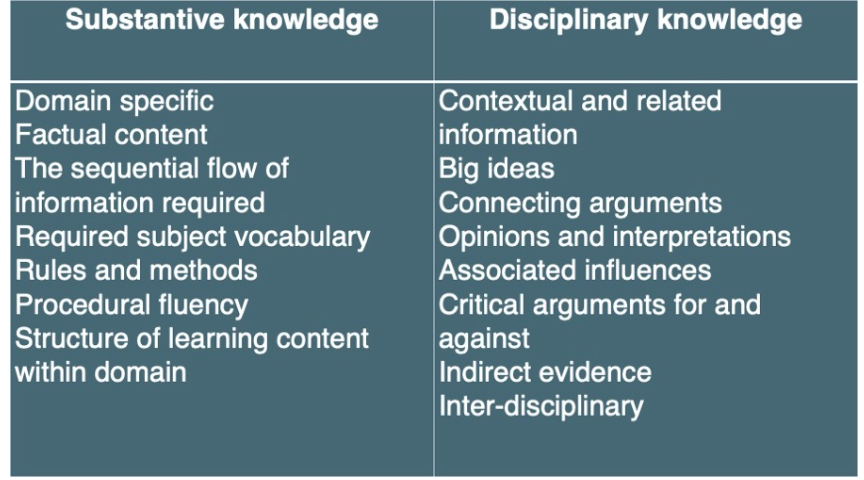
Our assessment model is a continuous thread woven through the learning journey, designed to capture the mastery of substantive knowledge (the foundational facts) and the development of disciplinary knowledge (the ability to think like a historian, scientist, or artist). We have developed a toolkit of low-stakes quizzes, multiple-choice questions, and spaced recall activities at the start and throughout every sequence. These frequent check-ins leverage the power of retrieval practice, ensuring that core knowledge is embedded in the long-term memory before new concepts are introduced.
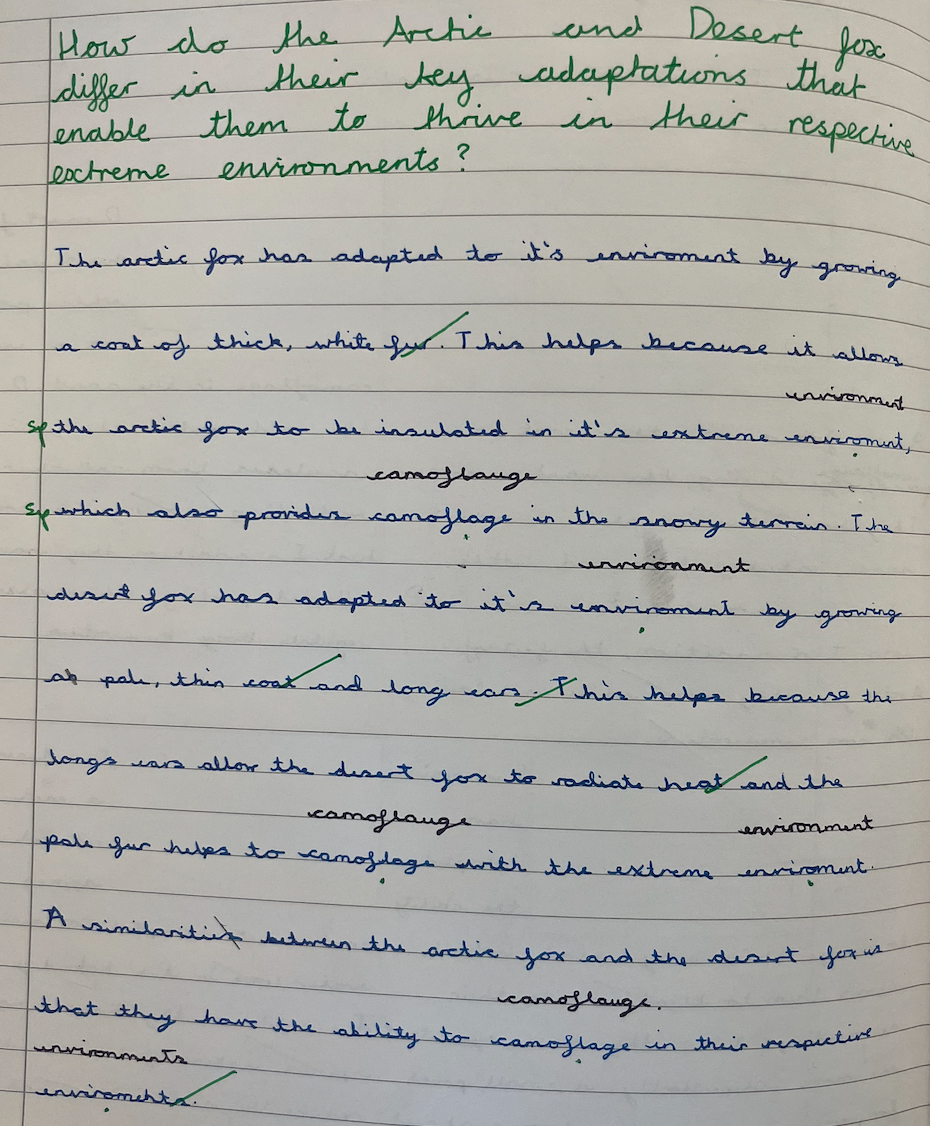
As the journey progresses, effective questioning and provocative prompts allow teachers to assess a child’s understanding, identifying and addressing misconceptions in the moment. This cumulative process culminates in double page spreads. To make this progress visible, children write double-page spreads as a powerful synthesis of learning, by responding to an overarching assessment question. Through these pieces of writing, children articulate their understanding by weaving together key facts with critical analysis. This method allows teachers and children to track the ‘golden thread’ of a sequence, providing an evidence base that celebrates both the depth of what they know and the sophistication of how they apply it.
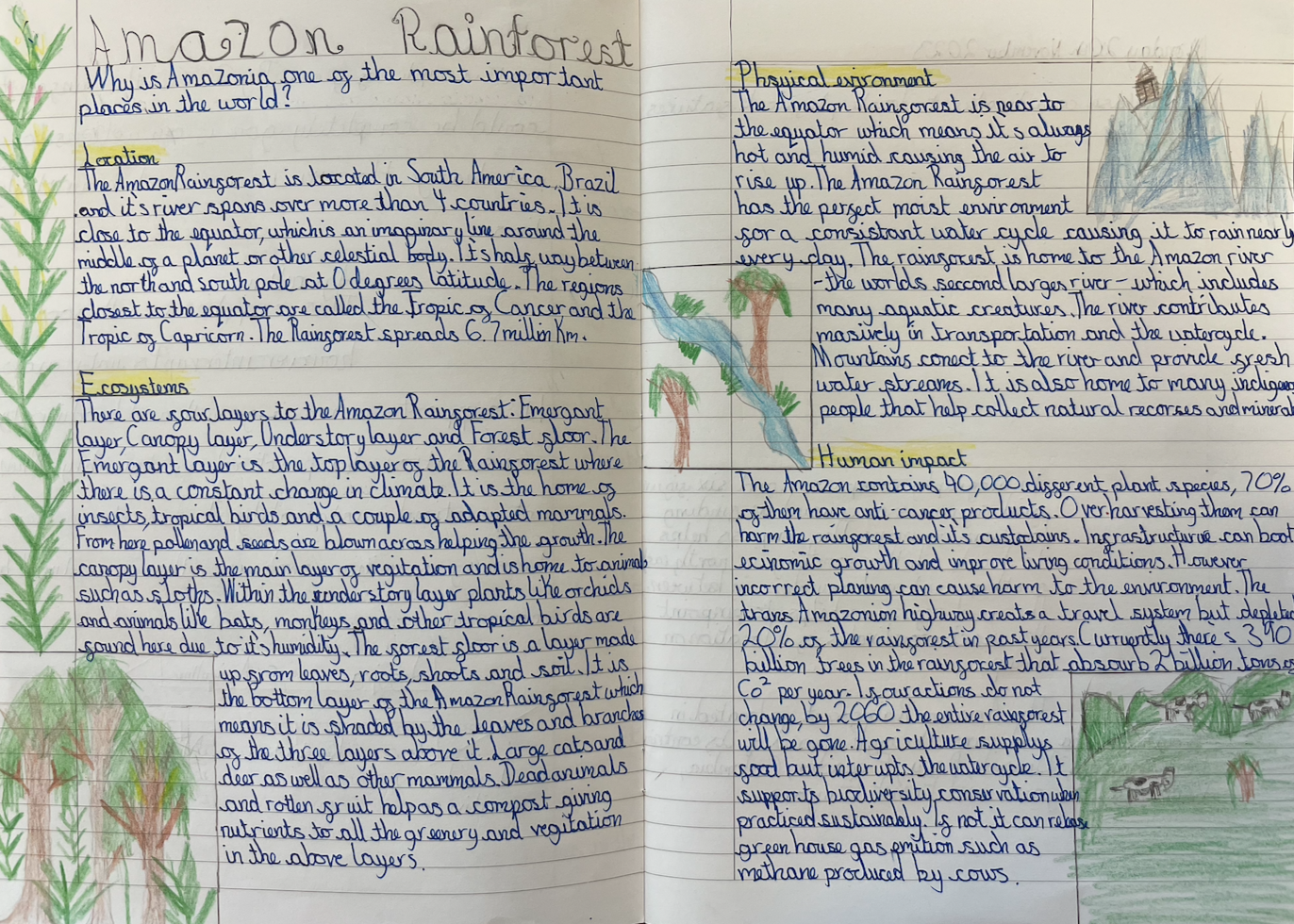
Double page spreads move beyond simple testing to show how pupils can synthesize knowledge with analysis. This depth provides the necessary foundation for their changemaker projects, where classroom learning is translated into purposeful community action. The following feedback from our Trust community highlights how this shift from thinking to doing is making a tangible difference for our pupils and their families.
Staff and Parent Voice
"The children recognise what they should do in an emergency situation and, as some of the community have parents that work in frontline jobs, this had a positive impact on our families.". Year 3 teacher.
"The global outcomes give families the opportunity to see what the children are learning at school and ensure the conversations about community heroes carries on at home." Reception teacher
"It’s been truly heartwarming to see the Buddy Bench being used this term. What started as a simple idea has made a big impact on our playground". Year 3 teacher
"Learning about global themes allows the children to understand what is going on in the world and gives them opportunities to see what they can do in their local community, to protect their rights and the rights of their community." Parent of a year 6 child.
"It is so important to encourage children to clean up the environment. I love how this was included as part of a geography trip to the seaside". Parent of year 1 child.
"The children had the opportunity to connect different elements of their science curriculum to become agents of change. They were able to describe the reversible and irreversible changes and use this knowledge to bake goods which were sold in aid of a Children’s Charity". Year 5 teacher.
"It was a pleasure watching relationships form between the residents in the care home and the children. So many children spoke with such confidence and modelled all of our values amazingly". Year 2 teacher.