

Learning Environment
Classroom environments both support and enrich the learning of all children. As well as being vibrant and welcoming, the classroom environment is a learning resource, the second teacher, a way of engaging children and building the class community. It can create a sense of ownership and be used to support and promote learning, as well as celebrate children’s work. With careful thought and planning, an effective classroom environment is used as an interactive resource supporting teaching, learning and assessment.
At Foxfield, we believe that a well-organised and stimulating environment has a direct impact on the quality of teaching and learning, and therefore supports raising standards. It enables pupils to develop independence as learners, building on strong foundations in the Early Years.
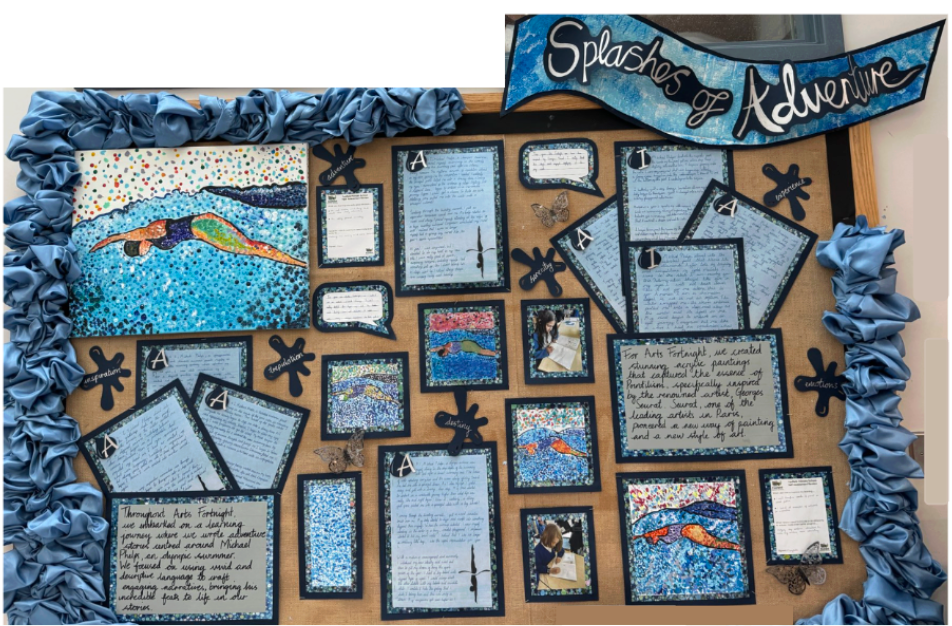
We provide consistent expectations for all pupils in order to support them, whilst challenging them to give their very best. In this way we develop a shared sense of what high standards look like.
The environment illustrates all that we value; we cannot separate our words from it. We show our children trust and they learn they can be trusted. We treat them with respect and get respectful behaviour in return. We put them in a beautiful place, give them a small taste of what a decent, dignified future might feel like, and that makes all the difference. The beauty we’ve designed into our centre isn’t window dressing; it’s an essential part of our success. It nourishes the spirit, and until you reach that part of the spirit that isn’t touched by cynicism or despair, no change can begin.
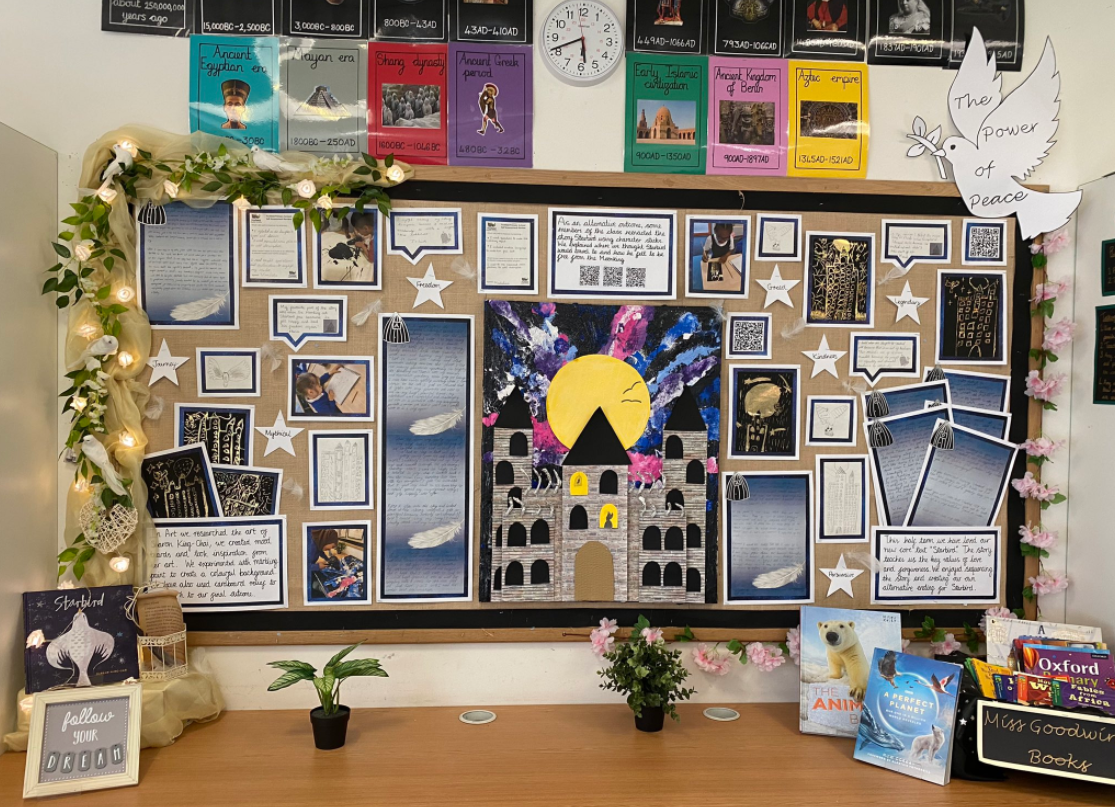
The environment illustrates all that we value; we cannot separate our words from it.
We show our children trust, and we treat them with respect and get respectful behaviour in return. We put them in a beautiful place, give them a small taste of what a decent, dignified future might feel like, and that makes all the difference. The beauty we’ve designed in our school isn’t window dressing, it’s an essential part of our success.

The spaces in which we spend most of our time convey important messages about what we value most. Within our schools, the learning environment is planned in fine detail. There is a shared understanding that excellence is prized and interconnected with our school values. We do not separate the environment from our curriculum, teaching and learning or planning. We use the learning environment to communicate more than just the learning content. It represents the blending of content and pedagogy so that an understanding of how learning is organised, represented and adapted is made visible.

Topic tables in classrooms are interactive areas designed to bring the global curriculum to life and bridge the gap between abstract concepts and tangible reality. Each table is a collection of high-quality artefacts, sensory stimuli, and primary sources that invite children to touch, explore, and wonder.
Teachers use topic tables to champion diverse representation, ensuring that the key figures and voices spotlighted reflect a global breadth of contribution and perspective. Alongside the essential vocabulary and provocative key questions of the teaching sequence, the table becomes a place where children are encouraged to contribute their own curiosities, questions, objects, or reflections that steer the learning journey.