Peer Mediation
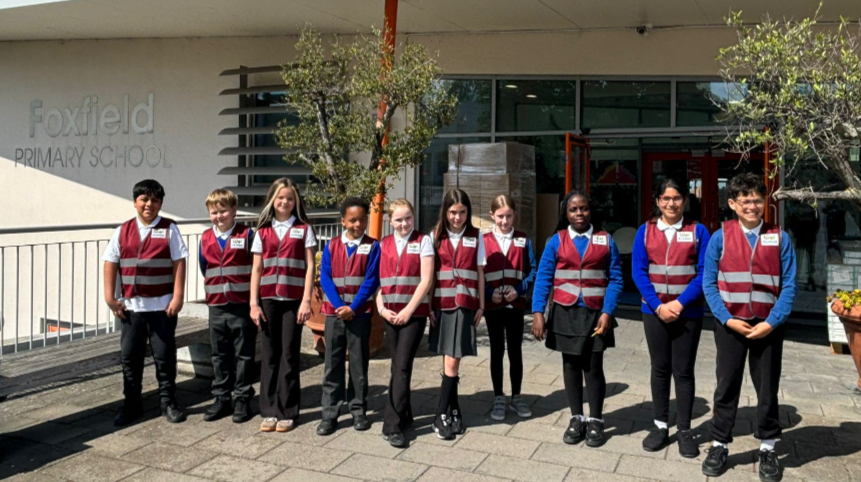
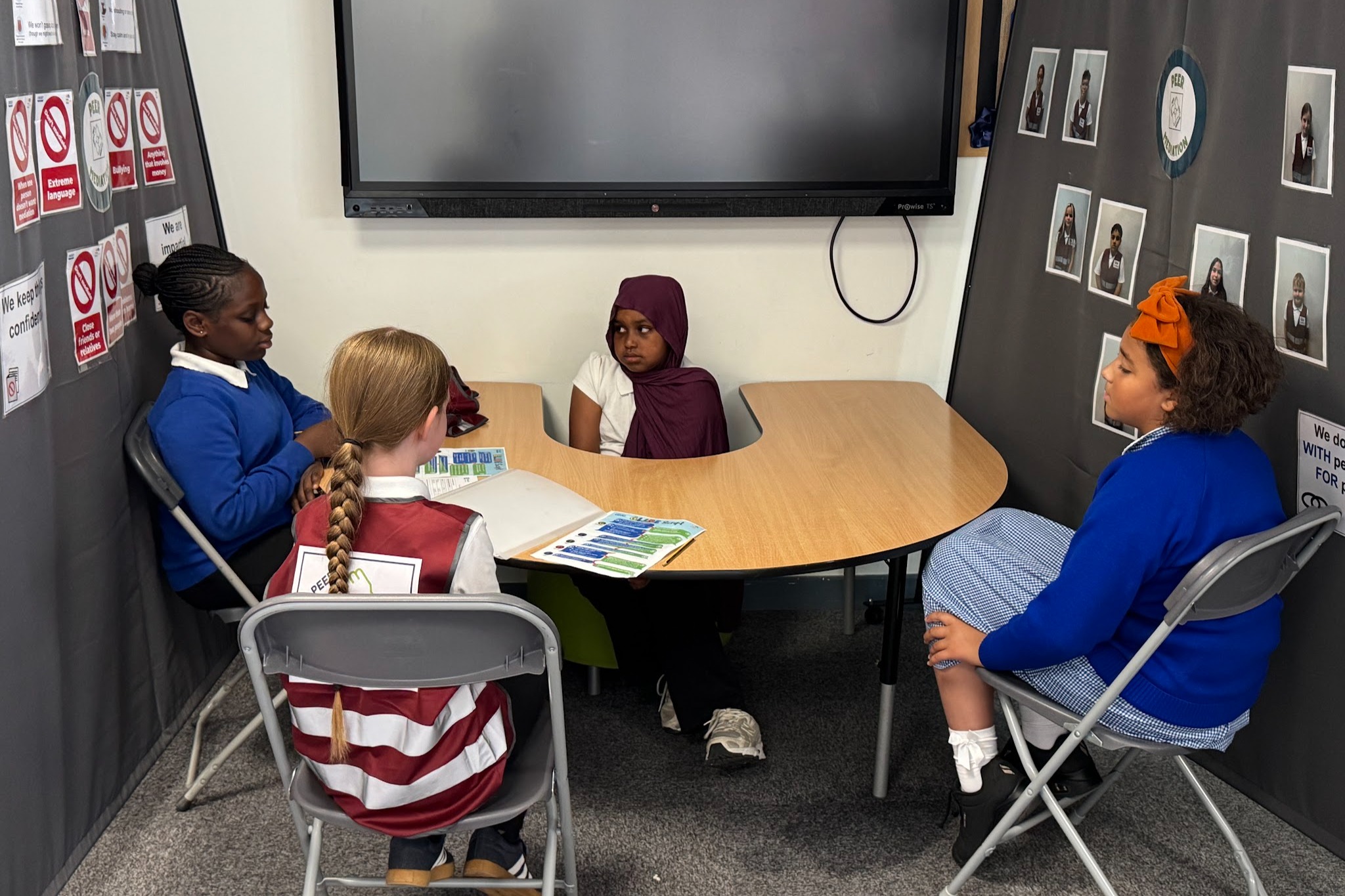
Peer mediation serves as a vital, restorative alternative for navigating and resolving low level interpersonal conflicts between children. Grounded in autonomy, mutual respect and accountability, empowering students to co-construct resolutions.
How We Implement Peer Mediation
Led by the learning mentor, children undergo a multi stage training programme designed to equip them with advanced communication and conflict resolution skills. This begins with mastering communication skills including active listening. Children then learn a structured, repeatable four step mediation script that guides disputing peers safely from establishing ground rules to formalising a mutual agreement. Through immersive role play, pupils practise how to de- escalate playground scenarios, including game rule misunderstandings. The training concludes with a practical assessment alongside the learning mentor to ensure mediators are ready to lead.
When a playground dispute arises, pupils head to the dedicated Peer Mediation area to follow this process. The session begins with a warm welcome where both parties agree to three core principles, which are to refrain from interrupting, to use respectful language and to remain honest. During the storytelling and fact finding stage, each child shares their perspective without interruption while the mediator actively listens, reflects their feelings and confirms mutual understanding. Guided by neutral questioning during the brainstorming phase, the children suggest fair compromises, such as using quick decision makers like rock paper scissors or taking short cool down breaks. Finally, when formalising the agreement, the mediator recaps the agreed steps, both children commit to the solution and they return to the playground.
"I really like being a Peer Mediator because we help other children solve their own playground arguments instead of getting an adult straight away. It feels good when two people leave our session shaking hands and happy to play together again."
— Peer Mediator
"Training to be a mediator taught me how much our body language matters when someone is talking to us. Now when children come to us with a dispute over game rules, we help them listen to each other and find a fair solution.’
— Peer Mediator
Rights Respecting Schools Award Gold
"Relationships are rooted in dignity, respect and a commitment to creating a nurturing environment so children feel safe and secure. One child explained, 'Dignity is having respect for yourself and not being made to feel embarrassed; our teachers respect us and listen to us.' The school's restorative approach prioritises repair, with trained peer mediators supporting children."