
Critical Thinking at Foxfield
Critical thinking is the ability to analyse information objectively and rationally, forming judgments based on evidence and reasoning. It involves questioning assumptions, considering multiple perspectives, and evaluating arguments to arrive at well-supported conclusions.
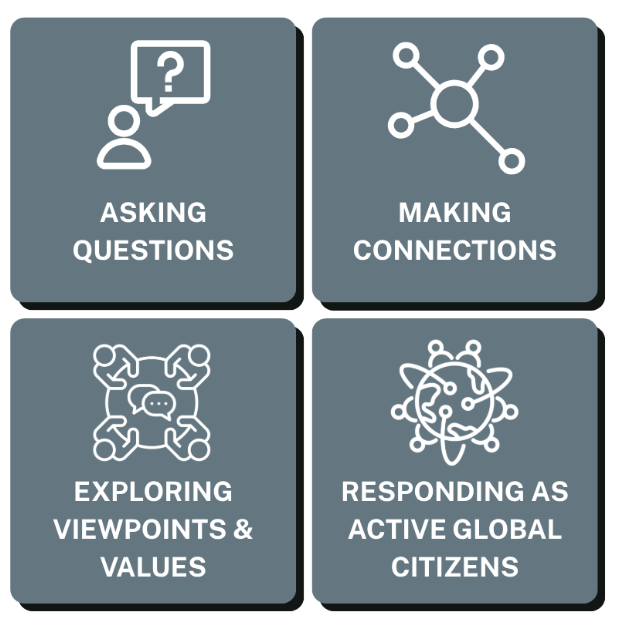
Global Citizenship can be promoted within the classroom using four key approaches:
Core Pillars of Enquiry
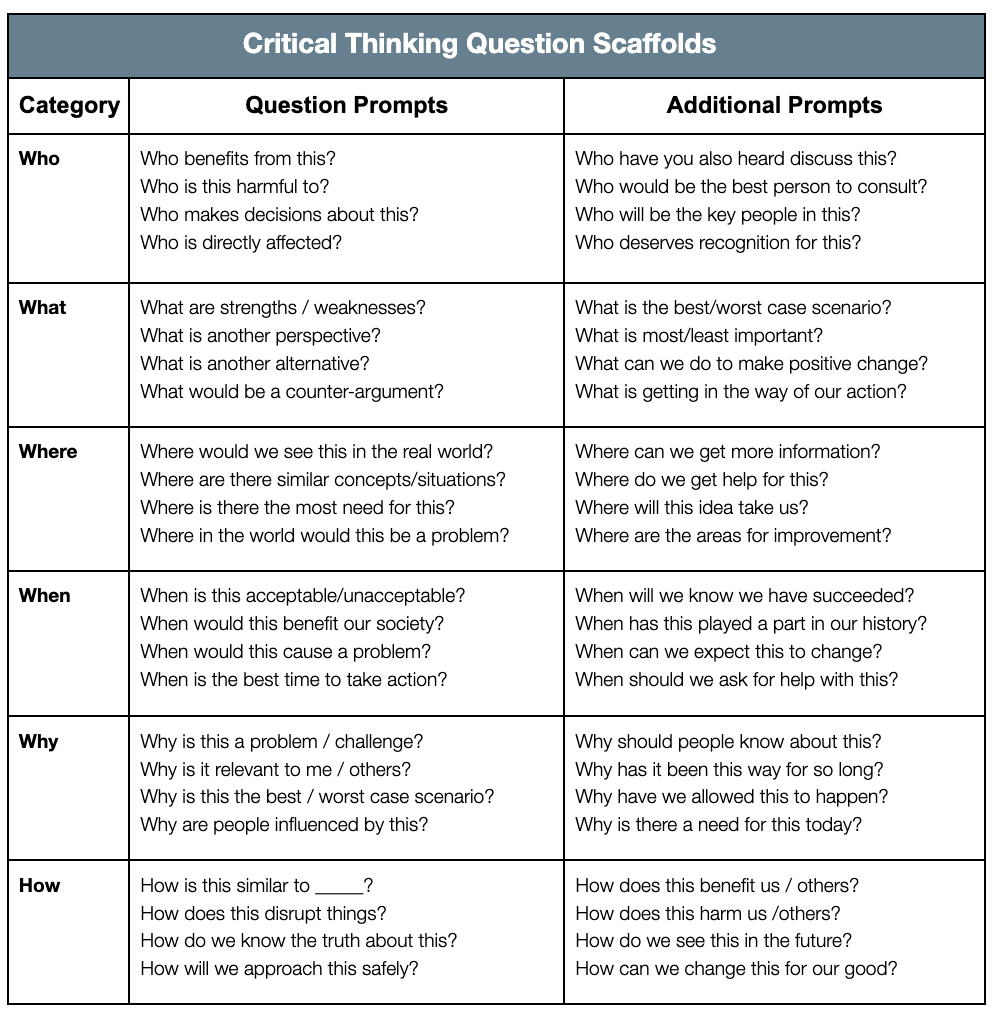
This guide provides a structured set of question scaffolds designed to help teachers cultivate deep, analytical enquiry across the curriculum.
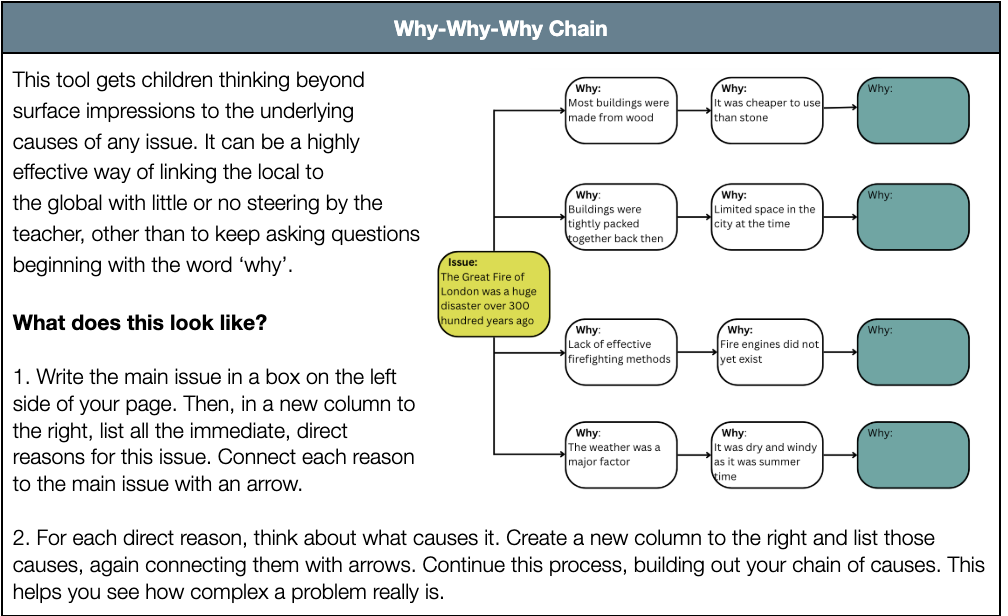
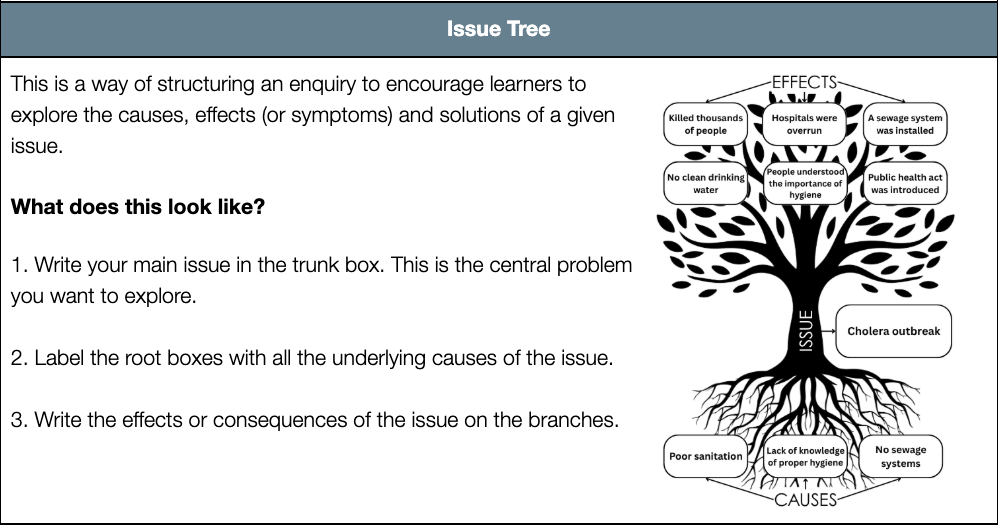
- Challenges children to develop counter-arguments and identify root causes to build a balanced perspective.
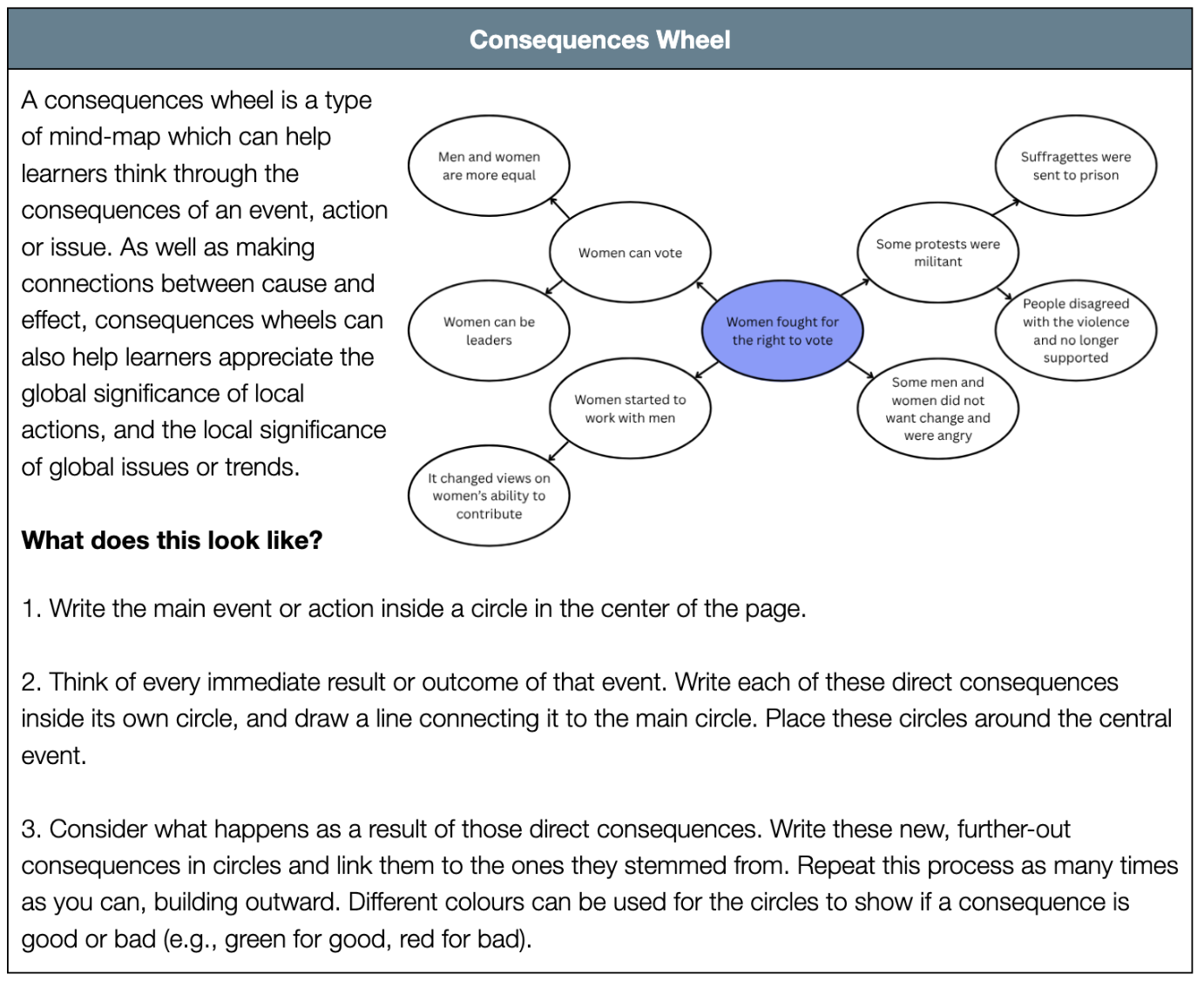
- Connects abstract ideas to real-world applications while weighing historical patterns against future consequences.
- Shifts focus from passive understanding to active synthesis, exploring the mechanics and ethics of making positive changes.
Asking Questions
Effective participatory learning depends on the learners’ freedom to ask questions. But asking questions is an important starting point for other reasons too:
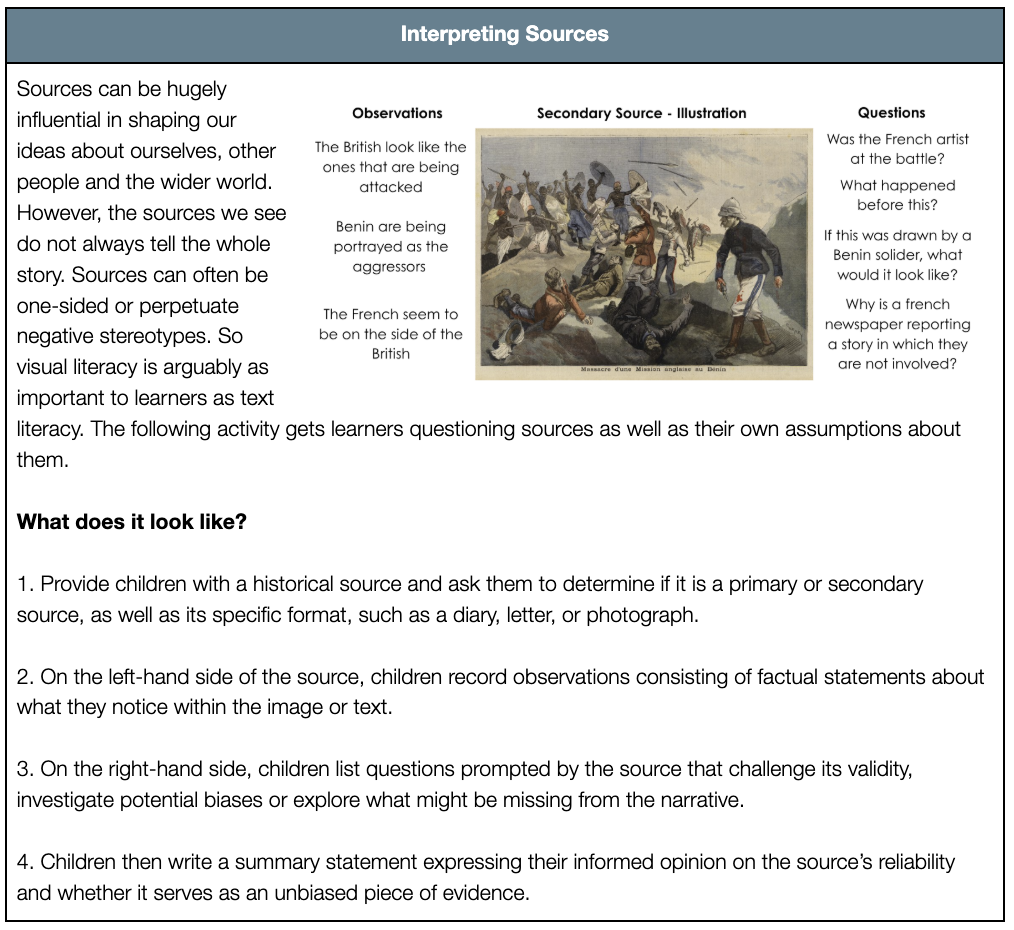
- When learners generate their own questions, they attain greater ownership of their learning.
- Identifying key questions can provide the structure for investigating an issue.
- It is by asking questions that we begin any process of change; hence, effective questioning skills are a vital tool to enable people to make a difference.
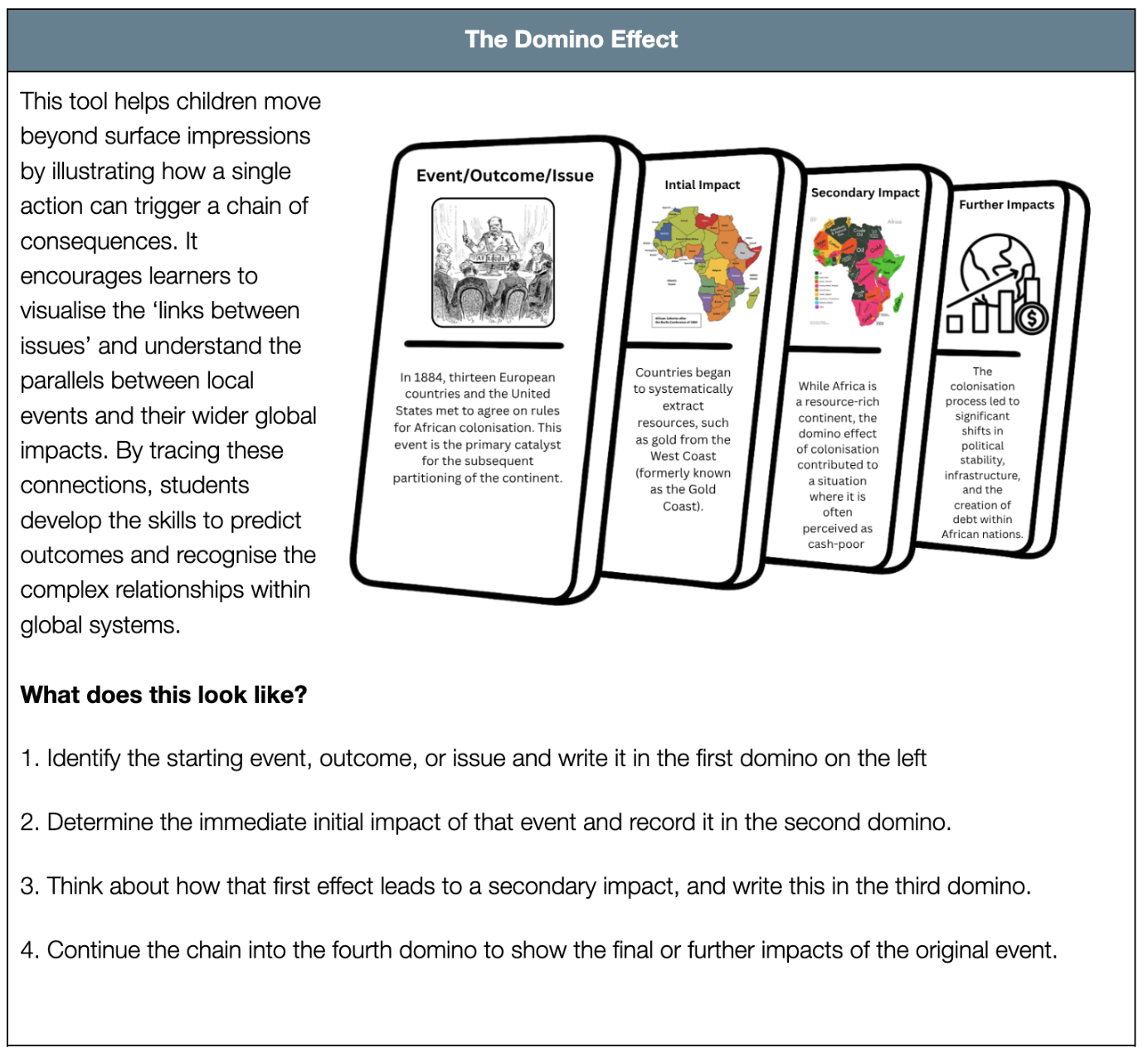
Responding As Active Global Citizens
The essence of education for global citizenship is its commitment to enabling learners to bring about positive change. This requires:
- Knowledge to make informed choices.
- A desire to change things.
- Skills to do so.
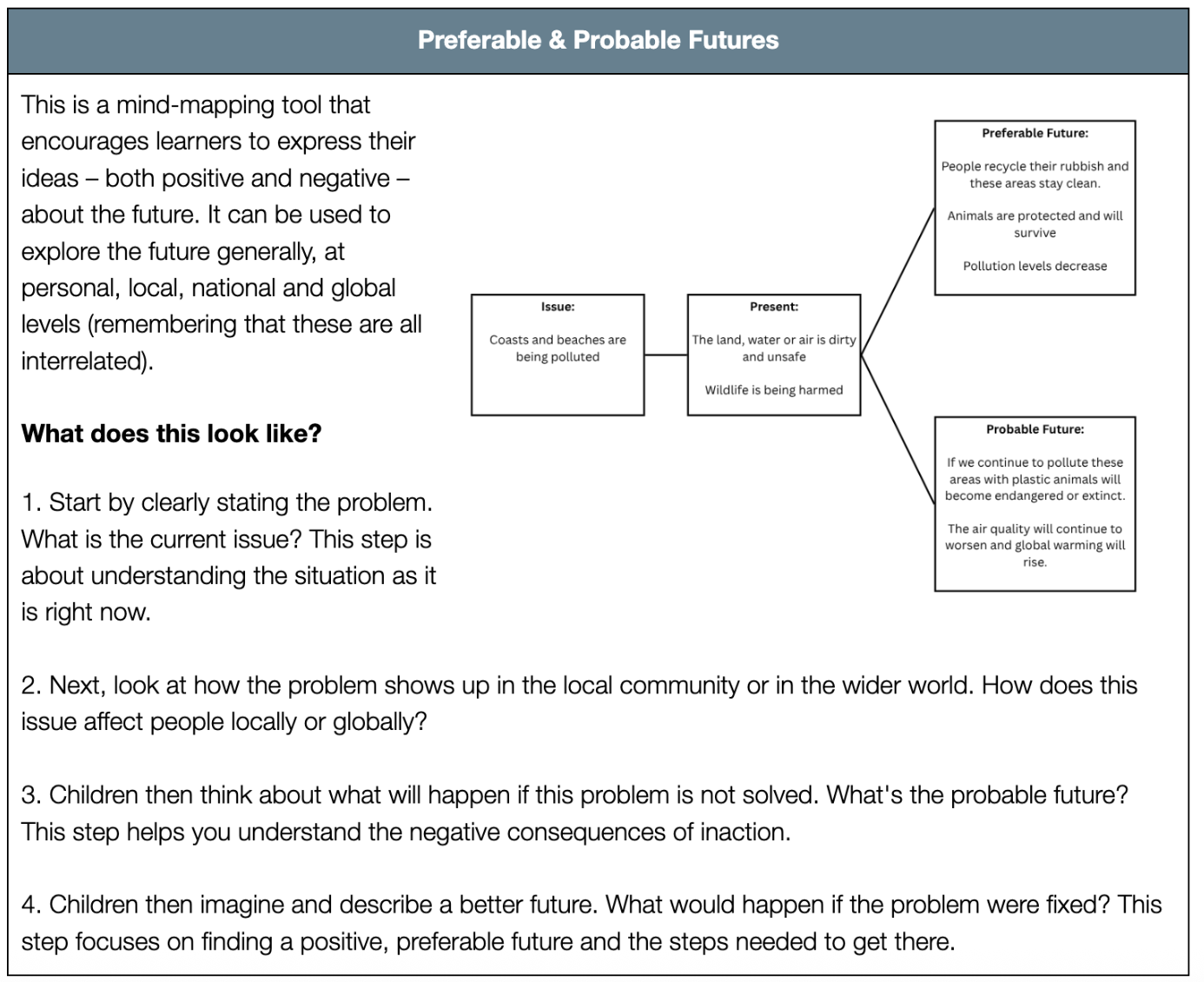
Education for global citizenship does not involve telling people what they should do or what they should think. Instead, it supports learners in making their own informed choices through critical evaluation of the options open to them and the possible implications of their choices.